

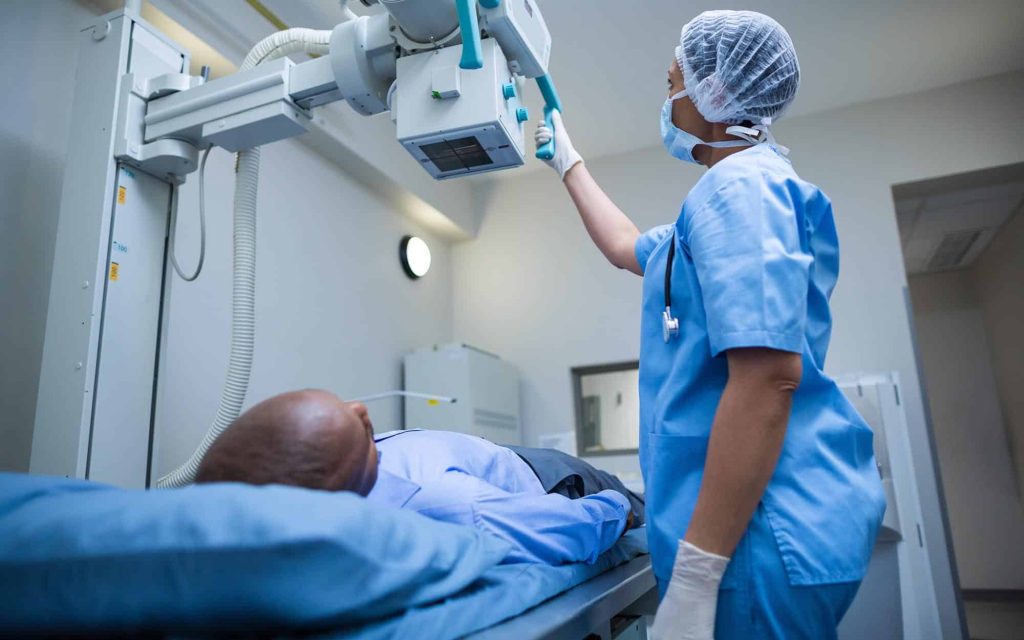
The ability to see beyond the surface has always defined progress. From life-saving medical diagnoses to ensuring the safety of critical infrastructure, X-ray technology plays a vital role in modern decision-making.
What most people don’t realise, however, is that the real power of these systems lies deep within their engineering. Today’s imaging solutions are no longer just machines; they are highly refined systems built for speed, precision, and reliability.
At the centre of this transformation is the integrated X-ray generator, a breakthrough that has redefined how performance and efficiency come together in a single compact unit.
For readers, this knowledge brings a clear benefit. Whether you are a business owner evaluating imaging systems, a professional working in inspection or healthcare, or simply someone curious about modern technology, understanding how these systems function helps you make smarter, more informed decisions. It reveals why some systems perform better, last longer, and deliver more consistent results than others.
The Evolution of X-Ray Technology
X-ray systems have evolved significantly from their early bulky designs, which relied on multiple components, complex wiring, and frequent maintenance. As industry demands increased, the need for faster, more accurate, and reliable imaging became essential.
Modern advancements have simplified these systems while improving performance. Engineers have reduced size, integrated key components, and ensured smoother, continuous operation, making X-ray technology more adaptable across industries.
Another important shift is toward user-friendly design. Unlike older systems that required specialised training, modern machines feature intuitive controls and automation, allowing operators to focus more on analysis and boosting overall productivity.
The Core Technology Behind Imaging Systems
At the heart of every X-ray system lies a combination of critical components working in perfect synchronisation. These include the X-ray tube, control systems, cooling mechanisms, and most importantly, the X-ray machine generator. This component is responsible for producing the high-voltage energy that is required to generate X-rays, making it one of the most essential parts of the entire system.
The quality of imaging directly depends on how stable and precise this energy output is. Even minor fluctuations can impact image clarity, which is why modern generators are engineered with advanced control systems that ensure consistency. This precision allows users to rely on the results, whether they are diagnosing a patient or inspecting a high-value industrial component.
In addition to stability, modern generators are also designed with efficiency in mind. They optimise energy usage, reduce heat generation, and support longer operational cycles. These improvements not only enhance performance but also contribute to the overall longevity of the system, making them more cost-effective over time.
Why Integration Matters More Than Ever
The introduction of integrated systems has transformed how X-ray machines are designed and used. Instead of relying on separate modules, modern systems combine multiple functions into a single compact unit, reducing size while improving overall performance.
This integration increases efficiency by minimising connections and components, which lowers the risk of failure and simplifies maintenance. As a result, systems become more reliable and predictable – an advantage in environments where space, speed, and consistency are critical.
Additionally, integrated designs ensure better coordination between components, enabling higher precision, faster imaging, and improved output quality for demanding applications.
Real-World Applications Across Industries
The impact of modern X-ray technology extends far beyond traditional medical use. Today, it is an essential tool in a wide range of industries, each relying on its precision and reliability.
- Healthcare: Enables accurate diagnosis and treatment planning, improving patient outcomes
- Industrial Inspection: Detects internal flaws without damaging materials, ensuring product quality
- Security: Enhances safety by enabling efficient scanning of luggage and cargo
- Electronics: Supports the inspection of complex components, ensuring proper functionality
Beyond these, X-ray systems are also used in research laboratories, aerospace engineering, and even the food industry, where they help detect contaminants and ensure safety standards. Their versatility makes them indispensable across sectors that demand accuracy and consistency.
Key Advantages of Modern X-Ray Systems
As technology continues to advance, the benefits of modern X-ray systems have become more pronounced. These systems are designed not only for performance but also for long-term efficiency and usability.
- Higher precision: Delivers clearer and more detailed imaging results
- Improved reliability: Reduces downtime and ensures consistent operation
- Compact design: Saves space and allows for flexible installation
- Cost efficiency: Minimizes maintenance and operational expenses
In addition to these benefits, modern systems also support scalability. This means they can be adapted or upgraded as requirements evolve, making them a future-ready investment. Organisations can expand their capabilities without needing to completely replace existing systems, which adds significant long-term value.
Looking Ahead: The Future of Imaging Technology
The future of X-ray technology is focused on making systems even smarter and more efficient. Innovations such as artificial intelligence, automation, and enhanced digital integration are set to further improve imaging capabilities.
As systems become more advanced, they will not only provide better images but also assist in analysing and interpreting data. This will reduce the burden on operators and increase overall productivity. The continued focus on integration and precision ensures that X-ray technology will remain a cornerstone of innovation across industries.
Additionally, future developments are expected to focus on sustainability. Energy-efficient designs and environmentally friendly components will play a key role in shaping the next generation of X-ray systems, aligning technological advancement with global sustainability goals.
Conclusion
Modern X-ray systems combine advanced engineering with practical innovation, delivering reliable and accurate results even in demanding environments. Their precision components and integrated designs ensure consistent performance and efficiency.
For readers, understanding this technology goes beyond knowledge; it helps in recognising value, making informed decisions, and appreciating the innovation behind everyday processes. As industries evolve, precision imaging will become even more important, driven by systems that are increasingly powerful, efficient, and essential.
Advanced imaging requires precision, reliability, and efficient system design to deliver accurate results. VJ X-Ray specialises in high-performance X-ray sources and generators, supporting industries like medical, industrial inspection, and security with consistent and stable imaging solutions. Their focus on integration, efficiency, and long-term performance helps businesses achieve reliable results with reduced complexity.