

Launching a great product is only one part of building a successful business. Even the most innovative solution can struggle if it is marketed to the wrong audience. Many entrepreneurs assume that everyone is a potential customer, but trying to appeal to everyone often results in weak marketing campaigns, wasted budgets, and disappointing sales. The businesses that consistently achieve sustainable growth are those that clearly understand who their ideal customers are and how to communicate with them effectively.
Whether you operate a local business or plan to expand internationally, identifying your target audience should be one of your first priorities. Businesses that take the time to research customer behavior, preferences, and purchasing habits can create products and marketing strategies that resonate with the right people. Entrepreneurs who choose to register a trading company in Hong Kong often benefit from access to international markets, making audience research even more important when serving customers from different countries and cultures.
This comprehensive guide explains how to identify and target the perfect audience for your product, helping you improve customer acquisition, increase conversions, and build long term business success.
Why Understanding Your Audience Matters
Every successful business solves a problem for a specific group of people. Understanding who those people are enables you to create better products, deliver stronger marketing messages, and build lasting customer relationships.
When businesses know their audience, they spend less on ineffective advertising because they focus their efforts on people who are genuinely interested in their products. Marketing campaigns become more relevant, customer engagement improves, and conversion rates increase.
Understanding your audience also helps shape product development. Customer feedback reveals what features people value most, what frustrations they experience, and what improvements would encourage repeat purchases.
Rather than making assumptions, successful businesses rely on research and data to guide their decisions.
Define Your Product Clearly
Before identifying your audience, you need a clear understanding of your own product.
Ask yourself what problem your product solves, who experiences that problem most often, and why your solution is better than competing alternatives.
Your product should provide a specific benefit rather than attempting to satisfy every possible need.
A business selling premium office furniture, for example, targets a very different audience than one offering budget furniture for students. Likewise, software designed for large corporations requires different marketing strategies than applications built for freelancers.
The clearer your product positioning, the easier it becomes to identify the people who will benefit most from it.
Research Your Existing Customers
If your business already has customers, they provide valuable insights into your ideal audience.
Analyze customer demographics such as age, gender, occupation, income level, education, and geographic location. Also examine behavioral information including purchasing frequency, average spending, preferred communication channels, and reasons for buying.
Customer surveys and interviews provide additional qualitative information.
Ask customers why they chose your product, what alternatives they considered, what challenges they wanted to solve, and what improvements they would like to see.
Patterns will quickly emerge that reveal your strongest customer segments.
These insights allow you to refine both your marketing strategy and product offerings.
Create Detailed Customer Personas
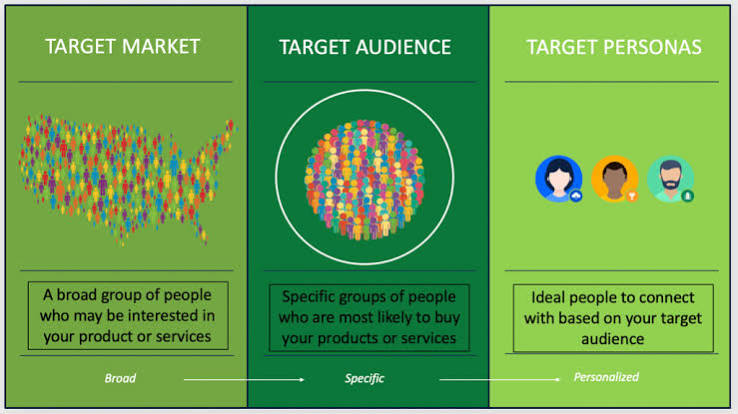
Customer personas are fictional profiles representing your ideal buyers based on real research.
A detailed persona includes demographic information, career background, financial situation, interests, goals, challenges, buying habits, and preferred communication methods.
Instead of marketing to a broad audience, you begin speaking directly to individuals with specific needs.
For example, an entrepreneur planning to register a trading company in Hong Kong may target international importers, online retailers, wholesalers, or manufacturers depending on the products being traded.
Each customer group requires different messaging, marketing channels, and value propositions.
Developing multiple personas helps businesses serve diverse customer segments without losing focus.
Analyze Your Competitors
Competitor research provides valuable information about potential audiences.
Study businesses offering similar products and examine who they target through advertising, social media, websites, and customer reviews.
Pay attention to the language they use, the problems they emphasize, and the customer groups they appear to serve.
Reading online reviews also reveals customer expectations and common frustrations.
Look for unmet needs that competitors have failed to address.
These gaps create opportunities to differentiate your business and attract customers seeking better solutions.
Competitor analysis should inspire improvement rather than imitation.
Your goal is to identify opportunities to deliver greater value.
Segment Your Audience
Not every customer has identical needs.
Audience segmentation allows businesses to divide potential customers into smaller groups based on shared characteristics.
Demographic segmentation focuses on factors such as age, gender, income, education, occupation, and family status.
Geographic segmentation considers countries, cities, climates, and regional preferences.
Behavioral segmentation examines purchasing habits, product usage, loyalty, and decision making patterns.
Psychographic segmentation explores values, interests, lifestyles, motivations, and personal beliefs.
Combining these segmentation methods creates highly targeted marketing campaigns that feel more relevant to customers.
Personalized marketing often generates significantly higher engagement than generic advertising.
Understand Customer Pain Points
Customers purchase products because they want to solve problems or improve their lives.
Identifying these pain points is essential for effective marketing.
Pain points generally fall into four categories.
Financial pain points involve reducing costs or increasing value.
Productivity pain points relate to saving time or simplifying tasks.
Process pain points concern eliminating unnecessary complexity.
Support pain points involve improving customer service or obtaining expert guidance.
When your marketing clearly demonstrates how your product solves these challenges, customers immediately recognize its value.
Effective marketing focuses more on customer outcomes than product features.
Study Buying Behavior
Customer behavior provides valuable clues about purchasing decisions.
Some buyers make quick decisions based on emotional appeal, while others conduct extensive research before purchasing.
Understanding the buying journey helps businesses deliver appropriate information at every stage.
Potential customers often begin by recognizing a problem.
They then research available solutions, compare alternatives, evaluate reviews, and finally make purchasing decisions.
Providing useful content throughout this process builds trust and positions your business as a reliable solution.
Businesses that understand customer decision making create more effective sales funnels and marketing campaigns.
Use Data and Analytics
Modern businesses have access to powerful analytical tools that reveal customer behavior.
Website analytics show where visitors come from, which pages they view, how long they remain on the site, and where they leave.
Social media analytics provide information about audience demographics, engagement, interests, and content performance.
Email marketing platforms reveal open rates, click through rates, and customer responses.
Sales reports identify best selling products, seasonal trends, and customer purchasing patterns.
Businesses that regularly analyze this information make better decisions based on evidence rather than assumptions.
Data driven marketing consistently produces stronger results.
Test Your Marketing Messages
Even well researched audiences may respond differently to various marketing approaches.
Testing allows businesses to identify the most effective messaging.
Experiment with different headlines, product descriptions, advertisements, email campaigns, landing pages, and calls to action.
Small adjustments can significantly improve conversion rates.
Monitor results carefully and continue refining campaigns based on customer responses.
Successful marketing is an ongoing process of testing, learning, and improving.
Businesses that continually optimize their messaging remain competitive in changing markets.
Choose the Right Marketing Channels
Understanding where your audience spends time is just as important as knowing who they are.
Different customer groups prefer different communication platforms.
Business professionals often engage through LinkedIn and industry publications.
Younger consumers may spend more time on Instagram, TikTok, or YouTube.
Search engines remain essential because many customers actively search for products before making purchases.
Email marketing continues to perform exceptionally well for customer retention and repeat sales.
Selecting the right channels ensures your marketing budget reaches the most relevant audience.
Businesses that attempt to dominate every platform often spread resources too thin.
Focused marketing generally produces better returns.
Build Trust Through Valuable Content
Customers rarely purchase from businesses they do not trust.
Educational content helps establish credibility while attracting qualified prospects.
Publishing informative blog articles, case studies, videos, webinars, buying guides, and frequently asked questions demonstrates expertise and helps customers make informed decisions.
Rather than aggressively promoting products, valuable content addresses customer questions and concerns.
This approach builds stronger relationships while improving search engine visibility.
Businesses that consistently educate their audiences often become trusted authorities within their industries.
Adapt to International Markets
Businesses planning international expansion should recognize that customer preferences vary across regions.
Entrepreneurs who register a trading company in Hong Kong often target customers throughout Asia, Europe, North America, and other global markets.
Each region may have different purchasing habits, payment preferences, cultural expectations, and communication styles.
Localizing your marketing materials, customer support, and product offerings increases customer confidence and improves conversion rates.
Understanding regional differences enables businesses to compete more effectively in international markets.
Continuously Refine Your Audience Strategy
Markets evolve over time.
Customer preferences change, new competitors emerge, and technology influences buying behavior.
Audience research should therefore become an ongoing business activity rather than a one time project.
Regularly collect customer feedback, review analytics, monitor industry trends, and evaluate competitor strategies.
Updating customer personas ensures your marketing remains relevant.
Businesses that continuously refine their audience understanding stay ahead of changing market conditions and maintain stronger customer relationships.
Common Mistakes to Avoid
Many businesses weaken their marketing by making avoidable mistakes.
One common mistake is assuming everyone is a potential customer. This often results in generic messaging that resonates with very few people.
Another mistake is relying solely on assumptions instead of conducting proper research. Customer preferences should always be validated with real data.
Ignoring existing customers is another missed opportunity. Loyal customers often provide the most valuable insights for future growth.
Some businesses also focus too heavily on product features while overlooking the benefits customers actually care about.
Finally, failing to update audience research can leave businesses using outdated marketing strategies that no longer reflect customer behavior.
Avoiding these mistakes significantly improves marketing effectiveness.
Conclusion
Identifying and targeting the perfect audience is one of the most valuable investments any business can make. Understanding who your customers are, what challenges they face, how they make purchasing decisions, and where they spend their time enables you to create products and marketing campaigns that generate meaningful results.
Entrepreneurs who register a trading company in Hong Kong and plan to serve international markets should place even greater emphasis on audience research because customer expectations often differ across regions. Combining detailed customer personas, market analysis, behavioral data, and continuous testing creates a strong foundation for sustainable growth.
Rather than trying to reach everyone, successful businesses focus on serving the right audience exceptionally well. This targeted approach leads to stronger customer relationships, higher conversion rates, improved profitability, and long term business success.
FAQs
Why is identifying the target audience important?
Identifying the target audience helps businesses create relevant marketing campaigns, improve customer engagement, increase sales, and use marketing budgets more efficiently.
How can I identify my ideal customer?
You can identify your ideal customer by analyzing existing customers, conducting market research, studying competitors, creating customer personas, and reviewing website and sales analytics.
Why do entrepreneurs register a trading company in Hong Kong?
Many entrepreneurs register a trading company in Hong Kong because of its strategic location, business friendly regulations, efficient financial system, and strong access to global markets.
What is a customer persona?
A customer persona is a detailed representation of your ideal customer based on research that includes demographics, goals, challenges, behaviors, and purchasing habits.
How often should I update my target audience research?
Businesses should review audience research regularly, especially when introducing new products, entering new markets, or observing significant changes in customer behavior.
Can small businesses benefit from audience segmentation?
Yes. Audience segmentation allows small businesses to create more personalized marketing campaigns, improve customer satisfaction, increase conversions, and build stronger long term relationships.