

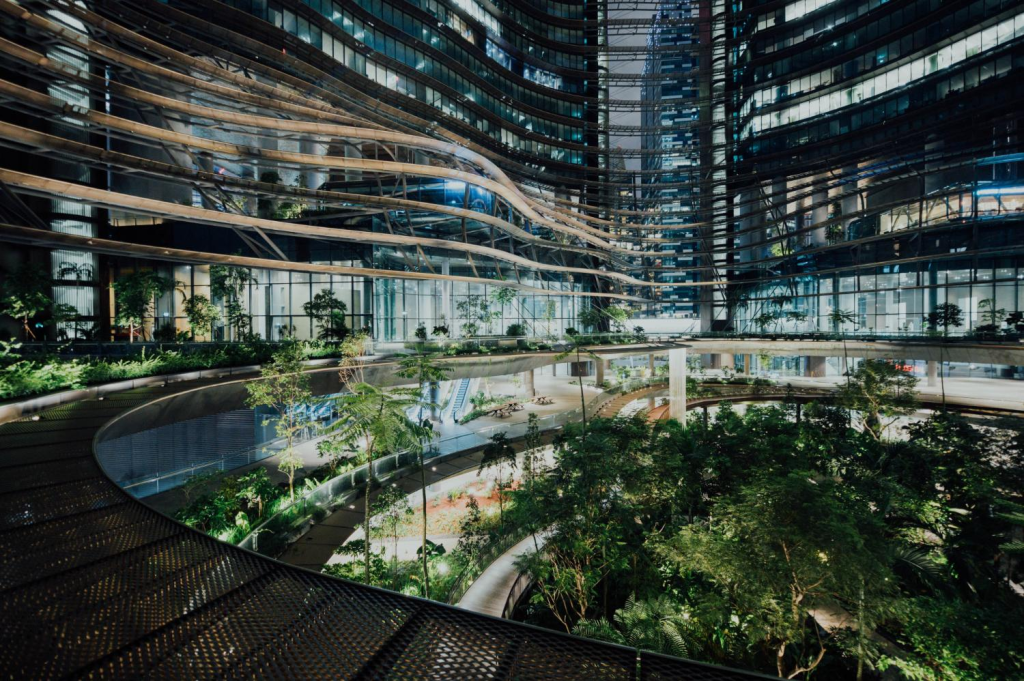
Data centres support cloud services, digital applications, storage, and business operations, making efficient infrastructure increasingly important. Energy use, cooling, power management, and equipment performance all influence how effectively facilities operate. By adopting greener approaches, organisations can develop sustainable data centres in Malaysia that balance reliable performance with responsible resource use.
Green infrastructure also helps operators respond to growing digital workloads without overlooking efficiency. Thoughtful planning can connect energy management, cooling, automation, monitoring, and resilient infrastructure, allowing facilities to use resources more effectively while maintaining dependable performance as enterprise requirements continue to evolve, while supporting practical environmental and long-term operational goals.
Understanding Green Infrastructure in Data Centres
Green infrastructure focuses on reducing unnecessary resource consumption while maintaining dependable facility performance. It can include efficient power systems, smarter cooling, renewable energy integration, equipment optimisation, and monitoring tools that give operators greater visibility into resource use and operational conditions. These measures can help facilities manage resources carefully without treating efficiency as a separate objective from reliability.
The objective extends beyond lowering energy consumption. Well-planned infrastructure can support capacity management, equipment performance, operational resilience, and future expansion. As cloud services, AI applications, and digital platforms create new demands, sustainability needs to remain part of broader facility design and management decisions.
Improving Cooling Efficiency Across Modern Facilities
Cooling is essential because servers, networking equipment, and other systems generate heat while processing workloads. Efficient cooling approaches can maintain suitable operating conditions while limiting unnecessary energy use, helping facilities manage performance without placing avoidable pressure on power resources. Better airflow planning can also reduce uneven temperatures and support consistent equipment operation.
Operators can assess airflow, temperature distribution, cooling loads, equipment placement, and monitoring capabilities when improving facility efficiency. Advanced cooling systems, intelligent controls, and regular performance reviews can help teams adjust cooling resources according to actual operating conditions. This creates a practical connection between environmental efficiency and reliable infrastructure management.
Key Strategies for Greener Data Centre Performance
Improving sustainability requires a combination of efficient infrastructure, intelligent monitoring, and responsible resource management. The right strategies can help data centres reduce unnecessary consumption while supporting reliable performance and the growing demands of modern digital workloads.
1. Optimising Equipment Performance
Efficient infrastructure begins with equipment that matches actual workload requirements. Overprovisioned systems can consume resources without delivering proportional value, while underpowered infrastructure can affect performance. Regular capacity assessments can help organisations maintain an appropriate balance, identify ageing equipment, and plan upgrades around genuine operational needs.
2. Improving Airflow Management
Airflow planning can influence how effectively cooling systems operate. Proper equipment placement, controlled air movement, and suitable separation of hot and cool air can help reduce unnecessary cooling demand. Monitoring temperature changes across facility areas can further help operators identify airflow problems and make targeted adjustments.
3. Managing Power Consumption
Power management influences both operational efficiency and resource use. Operators can review electricity consumption across computing, networking, cooling, and backup systems to identify patterns and opportunities for improvement. Efficient equipment, suitable capacity planning, and regular maintenance can help reduce avoidable consumption while preserving dependable service delivery.
4. Using Intelligent Monitoring
Monitoring tools can provide visibility into power consumption, temperature, workload, and equipment performance. These insights allow teams to identify unusual patterns and make informed adjustments before inefficiencies become larger operational concerns. Automated alerts can also help operators respond more quickly when conditions move outside expected ranges.
5. Integrating Renewable Energy
Renewable energy can form part of a broader sustainability strategy where suitable infrastructure and energy arrangements are available. Cleaner power sources can complement efficiency measures and support environmental objectives. Organisations can evaluate availability, reliability, integration requirements, and operational needs before incorporating renewable sources into facility planning.
Strengthening Protection and Resilience
Data centres need dependable power, cooling, connectivity, equipment, and monitoring systems to maintain essential operations. Sustainable planning therefore works best when resource efficiency is considered alongside continuity, resilience, and appropriate protection against operational disruptions.
Flexible infrastructure can make it easier to adapt to changing workloads and technology requirements. Scalable systems, suitable redundancy, regular maintenance, and clear operational processes can support dependable performance while allowing operators to manage resources carefully. A balanced design can help facilities remain efficient without reducing the resilience expected from critical digital infrastructure.
Connecting Sustainability With Long-Term Growth
Sustainability becomes more effective when it is included from the planning stage instead of being treated as a separate improvement project. Organisations can assess energy use, cooling requirements, equipment lifecycle, workload growth, and infrastructure expansion together when developing future facility strategies. This integrated view can make sustainability decisions more practical and easier to connect with business requirements.
A coordinated approach can also help facilities respond to changing digital workloads. Cloud adoption, AI applications, and expanding data requirements may influence capacity, power, cooling, and equipment decisions over time. Relevant datacenter events in Malaysia can also help professionals explore emerging practices, exchange knowledge, and consider approaches to sustainable infrastructure planning.
Practical Priorities for Greener Data Centres
A structured approach can help organisations translate sustainability objectives into practical infrastructure decisions. Each priority should contribute to efficient operations while supporting the reliability, scalability, and flexibility required for evolving digital workloads.
- Improve cooling and airflow efficiency
- Monitor power consumption across infrastructure
- Evaluate renewable energy integration opportunities
- Use automation for smarter resource management
- Maintain equipment through proactive planning
- Design for scalability and operational resilience
These priorities can help operators create a balanced approach to sustainability. Combining efficient systems with monitoring, maintenance, and future-focused planning can support stronger infrastructure performance while keeping resource use under closer control.
Conclusion
Green infrastructure can help modern data centres improve resource efficiency while maintaining dependable operations. Smarter cooling, efficient power management, intelligent monitoring, renewable energy, and thoughtful planning can work together to create facilities that are better prepared for evolving digital workloads. A balanced approach keeps sustainability connected with performance, resilience, and long-term infrastructure requirements.
For organisations seeking a focused platform to explore these developments, Datacentre & Cloud Infrastructure (DCCI) Expo in Malaysia offers opportunities to learn, network, and discover solutions across the digital infrastructure ecosystem. Its conference, exhibition, and awards cover greener data centres, AI and automation, cooling systems, cloud migration, and security. Professionals interested in datacenter events in Malaysia can use the platform to engage with industry perspectives and technologies shaping the region’s digital infrastructure future.