

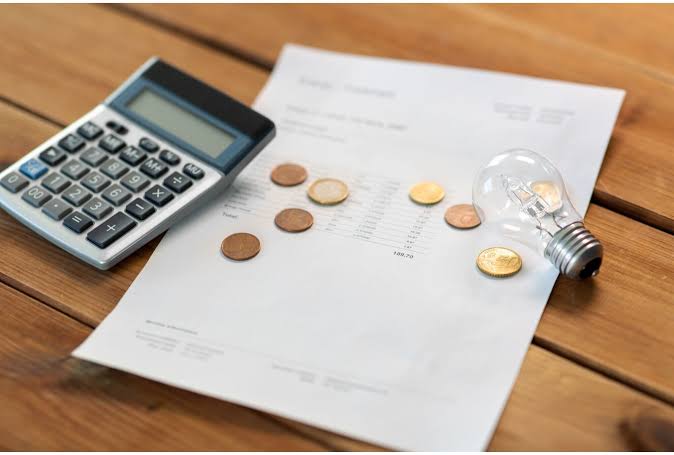
For years, millions of Indians have paid their electricity, water, gas, and broadband bills on time every single month without getting any credit for it. Literally. These payments never showed up on a credit report. That is slowly changing, but the reality is more complicated than the headlines suggest.
How credit scores traditionally work in India
Credit scores in India are calculated by four licensed credit bureaus. Of these, CIBIL is the most widely used. Your score, ranging from 300 to 900, is built from your history with formal credit products. That means credit cards, personal loans, home loans, auto loans, and similar products reported by banks and NBFCs.
The formula weighs several factors. Payment history carries the most weight, followed by credit utilisation, length of credit history, credit mix, and recent enquiries. Notice what is absent from that list: rent payments, utility bills, mobile recharges, and OTT subscriptions. Traditionally, none of these counted.
This creates an obvious problem. Tens of millions of Indians who have never taken a loan or owned a credit card are essentially invisible to the credit system. They might be financially disciplined, pay every bill before the due date, and still have no score at all. When they finally apply for credit, they are treated as high-risk borrowers simply because there is no data.
The shift toward alternative data
The Reserve Bank of India has been nudging the ecosystem toward using alternative data for credit assessment. RBI created the regulatory framework for account aggregators, consent-based intermediaries for financial data sharing, back in 2016, and the ecosystem went live commercially in 2021. More recently, there has been growing interest in incorporating telecom payment history, utility bill records, and even rental payments into credit scoring models.
CIBIL has introduced a feature called CIBIL MSME Rank, which uses non-traditional data for small businesses. The progress has been slower for individuals, but it is moving in a definite direction.
Some fintech lenders already use alternative data internally. If you’re applying for a small personal loan via a digital lending platform, the lender may look at your bank statements, which show you pay utility bills on a regular basis, and take that into account in their own risk assessment. But this is the lender’s internal scoring, not your official CIBIL score. The distinction matters.
What actually gets reported to credit bureaus
Here is where things get practical. Paying your electricity bill to your local discom or your Jio postpaid bill on time does not, by default, get reported to CIBIL or any other bureau. The utility company is not a financial institution. It has no obligation or mechanism to report your payment behaviour to credit bureaus.
There are exceptions. If you pay a utility bill through a credit card, that payment contributes to your credit card repayment history, which does affect your score. But the utility payment itself is not what is being tracked. The credit card payment is.
Some platforms have started offering opt-in services where they report your rent or bill payments to credit bureaus. They are still relatively new in India and are not very readily available. The data they contribute may carry less weight than traditional credit data in the scoring algorithm.
The role of fintech platforms and apps
This is where technology is filling a gap. A bill payment app that tracks your payment history and shares it, with your consent, with lenders or credit bureaus can bridge the gap between your financial behaviour and your formal credit profile. Several Indian fintech companies now offer this kind of service, often bundled with UPI-based payments and personal finance management tools.
The appeal is straightforward. If you are a salaried professional in Pune or a small shopkeeper in Lucknow who has been paying ₹2,000 a month in electricity and ₹800 for broadband, that consistent payment history says something meaningful about your reliability. Making that visible to the credit system is a sensible goal.
However, you should be realistic about the impact. Even if a platform reports your utility payments, the effect on your credit score will likely be modest compared to, say, six months of on-time credit card payments or a successfully repaid personal loan of ₹1 lakh. Credit bureaus still assign the highest weight to formal credit behaviour.
What you should actually do
If your goal is to build a credit score strong enough to qualify for a home loan or a car loan at competitive interest rates, utility bill payments alone will not get you there. They can supplement your profile, but they cannot replace traditional credit history.
A more effective strategy is to start with a secured credit card, where you deposit a fixed amount as collateral and get a card with that limit. Use it for small monthly expenses, pay the full balance before the due date, and let that history build over six to twelve months. Your score will respond much more quickly to this than to reported utility data.
That said, the direction of travel is encouraging. As India’s credit infrastructure matures, and as more data sources feed into scoring models, responsible bill payers will eventually get the recognition they deserve. We are not fully there yet, but the foundation is being laid.