

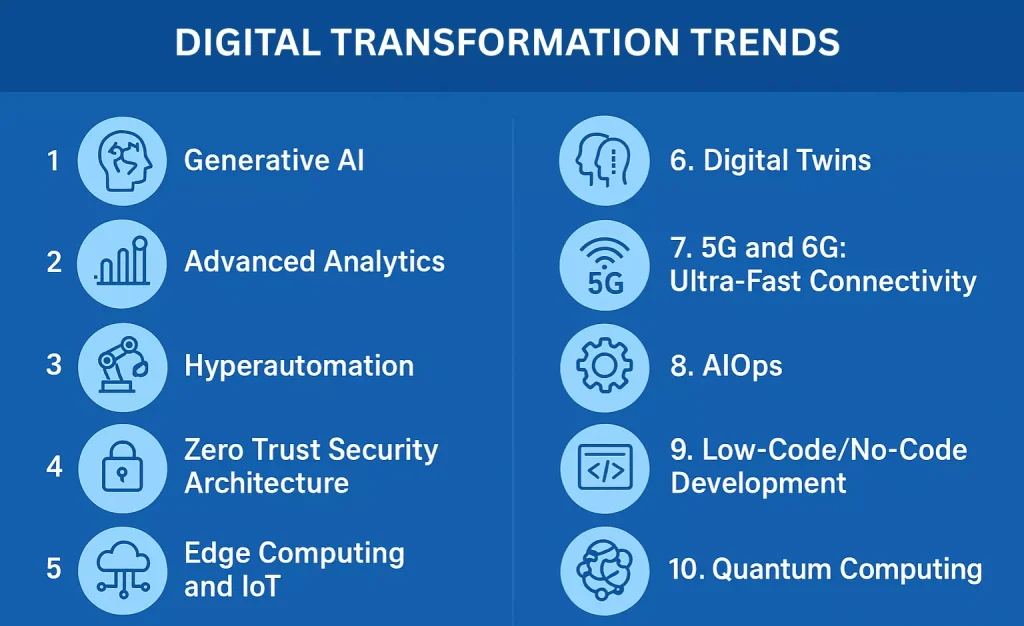
Digital transformation is changing the way every business operates, competes, and grows. From small startups to large global enterprises, organizations are using digital tools to improve customer experiences, increase efficiency, and create new sources of revenue. As technology continues to evolve, companies that adapt quickly are often better positioned to meet changing market demands and stay ahead of competitors. This shift is not only about adopting new software but also about changing how a business thinks, plans, and delivers value.
The modern digital landscape includes cloud computing, artificial intelligence, automation, data analytics, cybersecurity solutions, and connected devices. These technologies are reshaping traditional business models and creating opportunities that were not possible a decade ago. Companies in the technology sector, including innovative firms focused on digital solutions, are helping organizations navigate this transformation. Understanding the latest trends can help leaders make smarter decisions and build a stronger future for their business.
The Rise of Cloud-Based Business Operations
Cloud computing has become one of the most important drivers of digital transformation. Instead of relying on expensive on-site infrastructure, businesses can now access software, storage, and computing power through cloud platforms. This approach reduces operational costs, improves flexibility, and allows teams to work from virtually anywhere. As remote and hybrid work environments become more common, cloud solutions have become essential for maintaining productivity and collaboration.
Modern business organizations use cloud technology to scale operations quickly, manage data more effectively, and improve disaster recovery capabilities. Cloud-based tools also support real-time communication, project management, and customer relationship management. By moving critical processes to the cloud, companies can focus more on innovation and less on maintaining physical infrastructure. This trend continues to transform how organizations operate and deliver services in a highly competitive digital economy.
Artificial Intelligence Driving Smarter Decisions
Artificial intelligence is no longer a futuristic concept. It has become a practical tool that helps businesses analyze data, automate tasks, and improve decision-making. AI-powered systems can process large amounts of information in seconds, identifying patterns and trends that would take humans much longer to discover. This allows organizations to make faster and more informed choices that support growth and efficiency.
Many modern business models now rely on AI for customer service, predictive analytics, personalized marketing, and operational optimization. Chatbots, recommendation engines, and intelligent automation systems are helping companies deliver better experiences while reducing costs. As AI technology becomes more accessible, businesses of all sizes can use it to gain a competitive advantage. Organizations that embrace artificial intelligence are often able to improve productivity and create more value for customers.
Data Analytics Shaping Customer-Centric Strategies
Data has become one of the most valuable assets in the digital age. Businesses collect information from websites, mobile applications, social media platforms, and customer interactions. Advanced analytics tools help transform this raw data into meaningful insights that guide strategic decisions. Understanding customer behavior enables companies to create products, services, and marketing campaigns that better meet consumer needs.
A successful business today often relies on data-driven decision-making rather than assumptions. Analytics can reveal market trends, identify performance gaps, and uncover new opportunities for growth. Companies can track customer preferences in real time and adjust their strategies accordingly. By using data effectively, organizations can improve customer satisfaction, strengthen brand loyalty, and achieve better results in a rapidly changing marketplace.
Automation Improving Efficiency and Productivity
Automation is transforming business processes across industries. Repetitive and time-consuming tasks that once required significant human effort can now be completed automatically using digital tools and software solutions. This allows employees to focus on higher-value activities such as innovation, problem-solving, and customer engagement. As a result, businesses can increase productivity while reducing operational expenses.
From automated workflows and robotic process automation to intelligent scheduling systems, companies are finding new ways to streamline operations. Automation also helps reduce errors and improve consistency in daily tasks. In sectors such as manufacturing, healthcare, finance, and technology, automation has become a key factor in maintaining competitiveness. Businesses that invest in automation often experience faster growth and greater operational efficiency, making it a critical trend in digital transformation.
Cybersecurity Becoming a Core Business Priority
As organizations become more dependent on digital technologies, cybersecurity has become a major concern. Cyber threats continue to grow in sophistication, putting sensitive data, financial information, and business operations at risk. Protecting digital assets is no longer just an IT responsibility; it has become a strategic priority for leadership teams across all industries. Strong cybersecurity measures help maintain trust and ensure long-term stability.
Modern business environments require a proactive approach to security. This includes implementing advanced threat detection systems, employee training programs, secure cloud practices, and regular risk assessments. Companies that prioritize cybersecurity are better prepared to defend against attacks and maintain compliance with industry regulations. In a world where data breaches can damage both reputation and revenue, investing in security is an essential part of any digital transformation strategy.
Digital Customer Experiences Redefining Business Success
Customer expectations have changed significantly in recent years. People want fast, convenient, and personalized experiences across every digital channel. Businesses that can deliver seamless interactions through websites, mobile apps, social media, and online support platforms are more likely to attract and retain customers. Digital transformation has made customer experience a central component of modern business success.
Organizations are using technologies such as AI, analytics, and automation to create more engaging customer journeys. Personalized recommendations, instant support, and user-friendly digital platforms help improve satisfaction and encourage long-term loyalty. Companies that focus on customer experience often see stronger brand recognition and higher revenue growth. As digital interactions continue to increase, creating exceptional customer experiences will remain one of the most important priorities for businesses worldwide.
The Future of Innovation and Sustainable Growth
Digital transformation is not a one-time project but an ongoing journey of innovation and improvement. Emerging technologies such as the Internet of Things, blockchain, augmented reality, and advanced machine learning are opening new possibilities for businesses. Organizations that remain adaptable and willing to explore new solutions can position themselves for long-term success in an increasingly digital world.
A forward-thinking business understands that technology should support both operational goals and customer needs. Sustainable growth depends on the ability to innovate while maintaining efficiency, security, and customer trust. By embracing digital transformation trends and investing in modern solutions, companies can build resilient business models that thrive in changing market conditions. The future belongs to organizations that view technology not just as a tool but as a foundation for continuous progress.
Conclusion
Digital transformation is revolutionizing modern business models by changing how companies operate, engage customers, and create value. Trends such as cloud computing, artificial intelligence, data analytics, automation, cybersecurity, and enhanced digital experiences are shaping the future of business across every industry. These innovations help organizations become more efficient, agile, and competitive in an increasingly connected world.
Businesses that embrace digital transformation are better equipped to respond to market changes, improve customer satisfaction, and achieve sustainable growth. As technology continues to evolve, the ability to adapt and innovate will remain a defining factor in long-term success. Organizations that invest in digital capabilities today will be better prepared to lead tomorrow’s business landscape and capture new opportunities in the digital economy.