

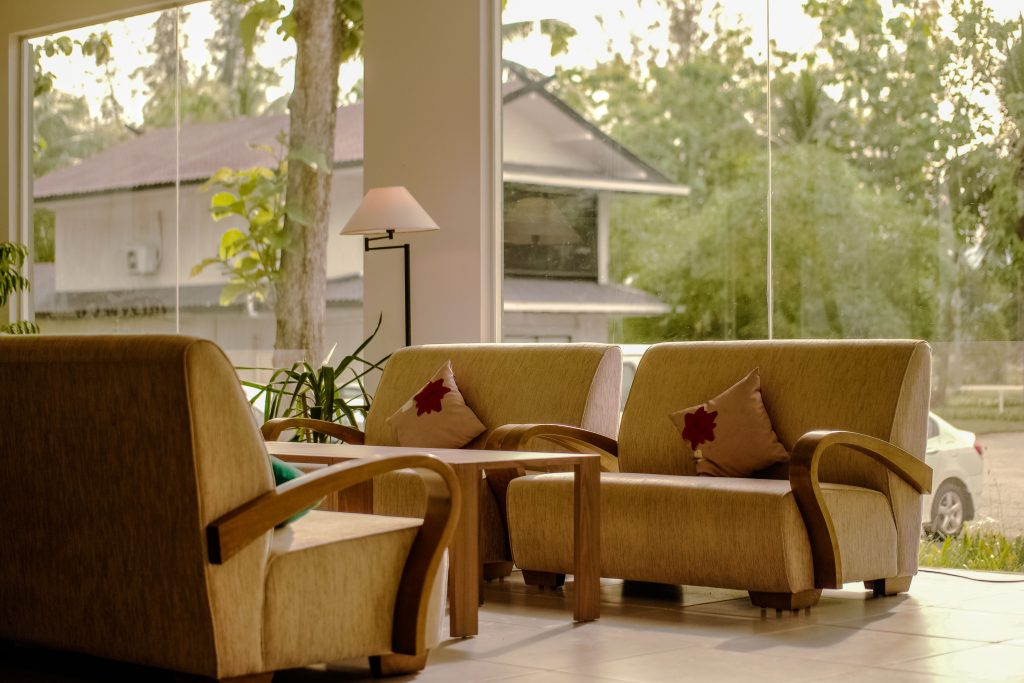
Modern care environments are evolving far beyond sterile, purely functional spaces. Whether in healthcare facilities, rehabilitation centers, or senior living communities, there is a growing recognition that design plays a meaningful role in how people feel, behave, and heal. The environments individuals spend their time in can influence everything from mood and motivation to independence and recovery. As a result, designers and operators are working to create spaces that combine visual appeal with practical usability.
Balancing style with daily function requires thoughtful planning, attention to detail, and an understanding of how people interact with their surroundings. When executed well, these environments support both comfort and efficiency, offering a seamless experience that feels welcoming rather than institutional.
Designing for Comfort Without Sacrificing Functionality
One of the most important aspects of creating balanced spaces is ensuring that comfort does not compromise usability. Soft furnishings, warm color palettes, and inviting layouts can transform a space, but these elements must still meet the practical needs of those who use them every day.
For example, seating should be both attractive and supportive, particularly in environments that serve older adults or individuals with mobility challenges. Materials should be durable and easy to maintain, even if they appear soft and luxurious. Flooring choices must consider both aesthetics and safety, reducing the risk of slips while enhancing the overall design.
Lighting also plays a crucial role. Natural light is often prioritized for its positive impact on mood and energy levels, while artificial lighting should be layered and adjustable to suit different needs throughout the day. By carefully selecting design elements that serve both visual and functional purposes, spaces can feel comfortable without losing their practicality.
The Role of Layout in Supporting Everyday Life
The layout of a space significantly influences how easily individuals can navigate and use it. Clear pathways, logical organization, and accessible features all contribute to a more intuitive environment. A well planned layout reduces confusion, minimizes physical strain, and supports independence.
In environments where daily routines are essential, such as senior living communities, thoughtful design can make everyday tasks more manageable. Kitchens, bathrooms, and communal areas should be arranged in ways that align with how people naturally move and interact.
At communities like Las Villas del Norte, layout considerations often reflect a balance between privacy and social engagement. Residents can enjoy personal living spaces that feel like home while still having easy access to shared areas that encourage connection. This approach supports both independence and community, allowing individuals to move through their day with confidence and ease.
Effective layouts also consider staff efficiency. When spaces are designed with workflow in mind, caregivers and team members can provide support more effectively without disrupting the overall environment.
Blending Aesthetics With Accessibility
Accessibility is a fundamental requirement in many living and care environments, yet it does not have to come at the expense of style. Modern design approaches integrate accessibility features in ways that are subtle and visually appealing.
Grab bars, for instance, can be incorporated into a bathroom design as elegant fixtures rather than obvious medical additions. Wider doorways and hallways can be seamlessly integrated into the architecture, creating spacious and open environments that feel intentional rather than clinical.
Color contrast is another powerful tool. By using contrasting tones between walls, floors, and furniture, designers can improve visibility and orientation for individuals with visual impairments. At the same time, these contrasts can enhance the overall aesthetic when chosen carefully.
The goal is to create spaces that accommodate a range of needs without making those accommodations feel noticeable or intrusive. When accessibility features blend naturally into the design, they contribute to a more dignified and comfortable experience for everyone.
Creating Emotional Connections Through Design
Beyond physical functionality, spaces should also foster emotional well being. Design choices can evoke feelings of calm, familiarity, and connection, which are essential in environments where individuals may spend significant amounts of time.
Incorporating elements such as artwork, natural textures, and personalized décor helps create a sense of identity and belonging. Spaces that feel familiar and inviting can reduce stress and make transitions into new environments easier.
Access to outdoor areas further enhances emotional health. Courtyards, gardens, and walking paths provide opportunities for relaxation and reflection. These spaces encourage movement while also offering moments of quiet that are important for mental balance.
Community oriented design also plays a role in fostering connections between individuals. Shared dining areas, lounges, and activity rooms create opportunities for interaction, helping to build relationships and strengthen social ties.
Supporting Long Term Usability and Adaptability
A truly well designed space is one that can adapt over time. As needs change, environments should be able to accommodate new requirements without requiring major redesigns. This is particularly important in settings where individuals may experience shifts in mobility, health, or lifestyle.
Flexible furniture, multi purpose spaces, and modular design elements allow environments to evolve alongside their occupants. For example, a room that functions as a social space today may need to support different activities in the future. Designing with this level of adaptability ensures that spaces remain relevant and useful over time.
Durability is another key consideration. High quality materials and thoughtful construction reduce the need for frequent repairs or replacements, contributing to a more sustainable and cost effective environment. When spaces are built to last, they provide consistent support without sacrificing their visual appeal.
Conclusion
Creating spaces that balance style with daily function requires a comprehensive approach that considers both physical and emotional needs. By prioritizing comfort, accessibility, thoughtful layouts, and adaptability, designers can move beyond purely clinical environments and create spaces that truly support well being.
As expectations for living and care environments continue to evolve, the integration of design and function will remain essential. Spaces that feel welcoming, efficient, and adaptable not only enhance daily experiences but also contribute to a higher quality of life. In this way, thoughtful design becomes a powerful tool for improving how people live, interact, and thrive in their surroundings.