

Financial markets offer countless opportunities for investors and traders, but not everyone wants to focus on individual stocks. Many people prefer to trade the broader market instead of relying on the performance of a single company. This is where indices trading firm services become valuable, allowing traders to gain exposure to an entire market or sector through a single financial instrument.
Whether you are interested in global stock markets or looking to diversify your trading portfolio, understanding how indices trading works is essential before placing your first trade. Like every financial market, indices trading comes with potential rewards as well as risks. A balanced approach, combined with the right knowledge and strategy, can help traders make informed decisions while managing uncertainty.
What Is Indices Trading?
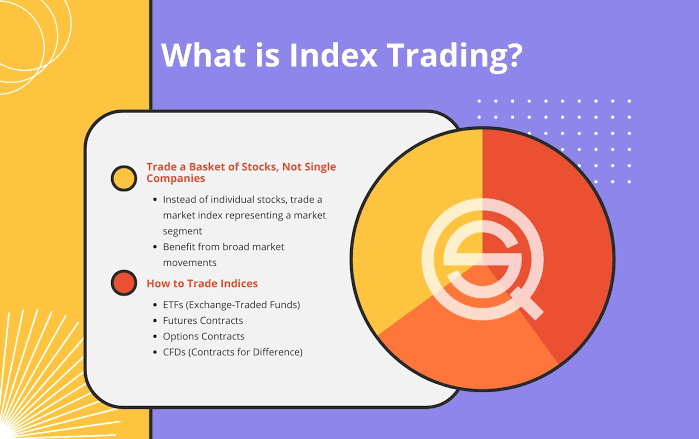
An index measures the performance of a selected group of stocks. Instead of tracking one company, it reflects how a collection of companies performs together. When traders participate in indices trading, they do not purchase every company within the index. Instead, they trade financial products that follow the overall movement of that market index.
Some of the world’s most popular stock market indices include:
- S&P 500.
- NASDAQ 100.
- Dow Jones Industrial Average.
- FTSE 100.
- DAX 40.
- Nikkei 225.
For example, if the companies within an index perform well, the value of the index generally rises. If the market experiences widespread declines, the index typically moves lower. This allows traders to speculate on overall market direction rather than predicting the performance of individual businesses.
Why Has Indices Trading Become So Popular?
Indices trading has gained popularity because it provides broader market exposure with a relatively simple approach. Instead of spending hours analyzing dozens of individual companies, traders can focus on economic conditions, industry performance, and market sentiment.
Some additional reasons include:
- Exposure to multiple companies through one position.
- Opportunities in both rising and falling markets.
- High liquidity in major global indices.
- Access to international markets.
- Portfolio diversification.
This flexibility makes indices suitable for beginners who want market exposure as well as experienced traders looking for additional opportunities.
Key Benefits of Indices Trading
Diversification Reduces Company-Specific Risk
One of the biggest advantages is diversification. When investing in a single stock, poor earnings or unexpected news can significantly affect your investment. An index spreads exposure across many companies, reducing the impact of any one organization’s performance. Although market-wide risks still exist, diversification helps lower company-specific volatility.
Access to Global Markets
Index trading opens the door to some of the world’s strongest economies. Instead of investing separately in numerous international companies, traders can gain exposure to an entire market through one index. This makes it easier to participate in global economic trends without managing dozens of separate investments.
Better Liquidity
Popular indices usually attract high trading volumes. These factors can improve the overall trading experience, particularly during active market sessions.
High liquidity generally means:
- Faster trade execution.
- Narrower spreads.
- Easier market entry and exit.
Opportunities in Different Market Conditions
Many trading platforms allow traders to take both long and short positions. This means traders may attempt to benefit when markets rise as well as when they decline. Rather than waiting for bullish conditions, traders can potentially identify opportunities during periods of market weakness, provided they understand the associated risks.
Risks Every Trader Should Understand
While indices trading offers many advantages, it is not free from risk. Successful traders recognize that protecting capital is just as important as finding profitable opportunities.
Market Volatility
Economic reports, inflation data, interest rate decisions, geopolitical developments, and unexpected global events can cause significant market fluctuations. Major news announcements often lead to rapid price movements within minutes. Without proper preparation, traders may experience larger-than-expected losses.
Leverage Increases Risk
Many brokers offer leveraged trading. Leverage allows traders to control larger market positions using a smaller amount of capital. While leverage can increase potential returns, it also magnifies losses. Using excessive leverage without effective risk management is one of the most common reasons traders lose money.
Emotional Decision-Making
Markets constantly fluctuate. Fear, excitement, and impatience often influence trading decisions. Maintaining discipline and following a structured trading plan helps reduce emotional decisions.
Common emotional mistakes include:
- Chasing market rallies.
- Closing profitable trades too early.
- Holding losing positions too long.
- Overtrading after losses.
Economic Events Can Affect Entire Markets
Unlike individual stocks, indices often react strongly to broader economic developments. Keeping an eye on the economic calendar is an important part of market preparation.
Some important events include:
- Central bank announcements.
- Inflation reports.
- Employment data.
- GDP releases.
- Corporate earnings seasons.
- Political uncertainty.
Practical Strategies for Indices Trading
Every trader develops a different approach based on experience, goals, and risk tolerance.
Here are several commonly used strategies.
Trend Following
Trend trading focuses on identifying the overall direction of the market. If prices consistently move upward, traders look for buying opportunities. When prices show a sustained downward trend, some traders consider selling opportunities. Technical indicators such as moving averages are often used to confirm trends.
Breakout Trading
Markets sometimes trade within a defined price range before making a significant move. Breakout traders look for price movements beyond key support or resistance levels. The goal is to enter early when momentum begins to build. However, traders should be aware of false breakouts, which can quickly reverse.
Swing Trading
Swing traders hold positions for several days or weeks. Rather than reacting to every small price movement, they focus on medium-term market trends. This strategy may suit traders who cannot monitor markets throughout the day.
News-Based Trading
Major economic announcements often create strong market movements. Understanding how financial markets typically respond to economic news can improve trading decisions.
Experienced traders analyze:
- Interest rate decisions.
- Inflation reports.
- Employment figures.
- Manufacturing data.
The Importance of Risk Management
Even the most successful traders experience losing trades. The difference is that they focus on managing losses rather than trying to avoid them completely. Professional traders understand that preserving capital allows them to stay in the market longer and take advantage of future opportunities.
Good risk management includes:
- Setting stop-loss orders.
- Defining profit targets.
- Limiting risk per trade.
- Avoiding excessive leverage.
- Maintaining a diversified trading portfolio.
- Following a written trading plan.
Choosing the Right Trading Partner
Technology, market access, educational resources, pricing, and customer support all contribute to a positive trading experience. Before opening an account, traders should carefully compare available platforms, understand trading costs, review available market tools, and ensure the provider operates within the appropriate regulatory framework. Reliable market insights, efficient execution, and transparent trading conditions can help traders make more informed decisions while navigating changing market conditions.
Conclusion
Indices trading offers an efficient way to participate in the performance of broader financial markets without focusing on individual companies. It combines diversification, global market access, and flexible trading opportunities, making it attractive to both new and experienced traders. However, success depends on understanding market behavior, managing risk carefully, and applying disciplined trading strategies rather than relying on short-term speculation.
Building knowledge, staying informed about economic events, and following a structured trading plan can improve long-term consistency. For those seeking a reliable best broker for indices trading in the UAE, choosing an experienced financial services provider like ANAX can help create a stronger foundation for confident and informed trading decisions.