

Mobile applications are no longer simple extensions of desktop websites. They have become central service environments where users expect fast access, stable performance, secure account management, and consistent functionality across different devices.
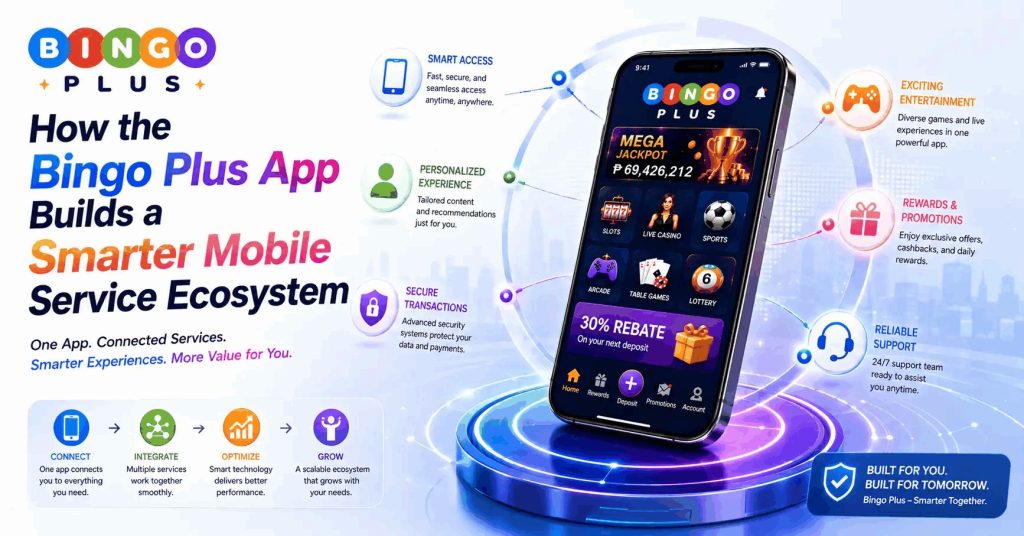
The bingo plus app reflects this broader shift toward integrated mobile platforms. Rather than focusing on a single feature, the application combines account access, content discovery, real-time notifications, transaction tools, customer support, and personalized navigation within one mobile interface.
For users evaluating bingoplus, the main question is not only whether the platform is accessible. They also want to understand how the app performs, how account access is managed, why installation sources matter, and what steps can reduce common mobile security risks.
Why Mobile Platform Integration Matters
A fragmented digital service creates unnecessary friction. Users may need to move between a website, a payment portal, a support channel, and a separate content page before completing a basic task.
An integrated mobile platform reduces these interruptions by connecting important services through a unified account environment.
Typical functions may include:
- Account registration and identity verification
- Secure sign-in and session management
- Personalized content recommendations
- Promotional and service notifications
- Payment channel access
- Activity history and account records
- Customer support tools
- Responsible-use settings
This structure matters because mobile users often complete tasks in short sessions. A person may open the app while commuting, check an account update, review an offer, and close the platform within two minutes.
When navigation is unclear or pages load slowly, those short sessions quickly become abandoned sessions.
The Role of User Intent in Mobile App Design
People do not open a mobile platform without a reason. Each visit usually reflects a specific intent, such as accessing an account, finding a service, checking an update, or resolving a problem.
A well-designed bingo plus app should recognize these intentions and reduce the number of actions required to complete them.
Access Intent
Users with access intent want to reach their accounts quickly. They expect the bingoplus login process to be visible, responsive, and easy to complete.
The login experience should ideally provide:
- Clear input fields
- Password visibility controls
- Account recovery options
- Device verification
- Session timeout protection
- Error messages written in plain language
A poor login screen can create more damage than a slow content page. Users may assume that a delayed response, repeated error, or unexplained redirect indicates a platform problem.
Installation Intent
Some users search specifically for the bingo plus apk because they want to install the application directly on an Android device.
Their main concerns are usually practical:
- Is the file from an official source?
- Is the version current?
- What Android version is required?
- How large is the installation package?
- Does the app request reasonable permissions?
- How are future updates delivered?
These questions show why an installation page should provide more than a download button. Version information, update dates, compatibility requirements, and security guidance help users make informed decisions.
Information Intent
Other visitors are not ready to install or sign in. They may want to learn how the platform works, compare access methods, understand mobile features, or review account requirements.
For these users, educational content becomes part of the product experience. Clear guides reduce support requests and help people avoid common mistakes before they occur.
Four Semantic Areas That Define the App Experience
The mobile experience can be understood through four connected concepts: mobile service architecture, account authentication, application distribution, and cross-device synchronization.
Together, these areas explain how a platform moves beyond basic mobile access.
Mobile Service Architecture
Mobile service architecture refers to the technical structure connecting the user interface with account systems, content databases, transaction services, and support tools.
A stable architecture should handle:
- High numbers of simultaneous users
- Frequent account requests
- Real-time content updates
- Variable network conditions
- Different device screen sizes
- Background notifications
- Secure data transmission
For example, imagine that several thousand users open the app after receiving the same notification. If the platform cannot distribute that traffic efficiently, users may experience blank screens, delayed account balances, or failed login attempts.
The visible design may look polished, but the underlying service architecture determines whether the experience remains dependable under pressure.
Account Authentication
Authentication confirms that the person attempting to enter an account is authorized to do so.
The bingoplus login journey may involve more than a username and password. Modern platforms often combine several protective layers, including:
- One-time verification codes
- Registered mobile numbers
- Device recognition
- Encrypted sessions
- Login activity monitoring
- Temporary account locks after repeated failures
These controls should protect users without making every login unnecessarily difficult.
The best balance is risk-based authentication. A familiar device using a normal network may require fewer checks, while an unfamiliar device or unusual location may trigger additional verification.
Application Distribution
Application distribution describes how users obtain, install, and update the mobile software.
For Android users, the bingo plus apk may be distributed through an official web page when direct installation is available. This creates flexibility, but it also requires users to pay closer attention to file authenticity.
A trustworthy distribution process should clearly display:
- Application name
- Current version number
- File size
- Last updated date
- Minimum operating system
- Installation instructions
- Official domain verification
Users should avoid files shared through random messaging groups, unofficial mirror websites, shortened links, or unknown download pages. Modified packages may contain outdated code, intrusive advertising, or harmful software.
Cross-Device Synchronization
Many users switch between phones, tablets, and desktop browsers. They expect their account information to remain consistent across every access point.
Cross-device synchronization can cover:
- Profile details
- Account verification status
- Saved preferences
- Transaction history
- Support conversations
- Notification settings
- Security records
A user who updates a mobile number through the app should not see the old information after logging in through a desktop browser.
Consistency builds confidence. Conflicting data creates doubt about whether an action was completed correctly.
How the Bingo Plus App Reduces User Friction
Friction is any unnecessary obstacle that slows down or interrupts a task.
Some friction is intentional. Identity verification, password requirements, and transaction confirmation protect users and the platform.
Other friction provides no value.
Common examples include:
- Requiring too many taps to reach login
- Hiding account recovery options
- Using unclear button labels
- Repeating the same verification step
- Sending users between multiple domains
- Displaying outdated installation files
- Providing generic error messages
The goal is not to remove every control. It is to remove steps that do not improve security, clarity, or service quality.
A Hypothetical User Journey
Consider a user named Marco who recently changed his Android phone.
Marco searches for the bingo plus app, finds an installation page, and wants to restore access to his existing account. His ideal journey would look like this:
- He confirms that the page belongs to the official domain.
- He reviews the current bingo plus apk version and compatibility details.
- He downloads and installs the file.
- He opens the app and selects bingoplus login.
- He verifies his registered mobile number.
- His account preferences and history appear automatically.
- He receives a security notice confirming the new device.
This journey feels simple because every step answers the next user question.
A poor version of the same journey might involve an unidentified download file, an outdated login page, repeated verification failures, and no confirmation that the new device was registered.
The difference is not visual decoration. It is service coordination.
Mobile Performance Under Real Network Conditions
Mobile platforms must work under conditions that developers cannot fully control.
Users may connect through:
- Home Wi-Fi
- Public Wi-Fi
- 4G or 5G networks
- Older Android devices
- Low-memory phones
- Networks with unstable latency
A mobile interface should therefore be designed for resilience rather than ideal laboratory conditions.
Useful performance practices include:
- Compressing images and interface assets
- Loading essential content before secondary elements
- Reducing unnecessary scripts
- Caching stable resources
- Displaying progress indicators
- Preventing duplicate requests
- Saving partially completed forms
Suppose a user is completing account verification when the connection drops for five seconds. A resilient app should preserve the entered information and allow the user to continue.
Restarting the entire process turns a temporary network problem into a permanent user complaint.
Security Checks Before Installing an APK
Direct APK installation offers convenience, but users should follow a disciplined verification process.
Before installing the bingo plus apk, users should check the following points.
Confirm the Domain
The download page should belong to the official platform domain. Similar-looking domains may use extra words, spelling variations, numbers, or different extensions.
Users should not rely only on the page design. Unofficial pages can copy logos, colors, and interface elements.
Review Version Information
The installation page should show a visible version number and update date.
A file presented without release information may be old, unsupported, or incorrectly labeled.
Inspect Permission Requests
Permissions should correspond to actual application functions.
For example, an app may reasonably request notification access, network access, or camera access for document verification. Requests for unrelated permissions deserve additional scrutiny.
Scan the File
Android users can scan downloaded files using built-in device security tools or reputable mobile security software.
A scan does not replace source verification, but it adds another protective layer.
Remove Old Unofficial Versions
Installing multiple versions from different sources can cause update conflicts or session problems.
Users should retain only the verified official application unless technical support provides different instructions.
Account Protection After Login
Security does not end after the installation is complete.
Users should protect their bingoplus login credentials through several practical habits:
- Use a unique password
- Avoid sharing verification codes
- Log out on shared devices
- Review recent login activity
- Update the registered mobile number when necessary
- Avoid saving passwords on public browsers
- Contact support after suspicious account activity
One common industry problem involves social-engineering messages that claim an account requires urgent verification. The message may direct the user to a copied login page.
Users should open the app or official website independently rather than following unexpected links.
Personalization Without Overcomplication
Personalization can make a mobile platform more useful, but excessive personalization can make the interface unpredictable.
Effective personalization may include:
- Recently accessed sections
- Preferred payment methods
- Relevant service alerts
- Language preferences
- Device-specific display settings
- Optional promotional categories
The system should still preserve a stable core layout.
Users should not have to relearn the interface every time the application updates its recommendations. Navigation, account access, security settings, and support should remain easy to locate.
Notifications as a Service Channel
Notifications are valuable when they deliver timely, relevant information.
They become disruptive when every message is presented as urgent.
A balanced notification system should separate:
- Account security alerts
- Transaction updates
- Service maintenance notices
- Application updates
- Promotional messages
- Educational content
Users should be able to manage these categories individually.
Security alerts should remain highly visible, while promotional notifications should be optional and limited in frequency.
The Value of an Official Information Hub
A mobile platform changes over time. Installation procedures, account features, compatibility requirements, service policies, and user guidance may all be updated.
For that reason, the product experience needs a dependable information layer outside the app itself.
When a user wants to compare current mobile access options, verify whether a downloaded package matches the latest release, understand how account controls operate, or review broader platform announcements before taking action, the most logical next step is to consult https://bingoplus.com/blog/app/ at https://bingoplus.com/blog/, because a centralized information hub can connect technical instructions, product explanations, service updates, and user-safety guidance within one consistent context rather than forcing readers to rely on fragmented third-party pages.
This type of content hub supports both new and returning users.
It can also reduce pressure on customer service teams by answering routine questions before users open a support ticket.
Common Mobile Platform Pain Points
Even mature applications face recurring operational problems.
Outdated App Versions
Users running old versions may experience missing features, login conflicts, or compatibility issues.
The platform should notify users when an update is available and explain whether the update is optional or required.
Failed Verification Codes
Verification codes may be delayed because of network congestion, incorrect mobile numbers, or repeated requests.
A clear interface should show when a new code can be requested and provide an alternative support route.
Device Compatibility Problems
Older phones may not support the latest application version.
Compatibility information should be displayed before the download begins, not after the installation fails.
Confusing Account Recovery
Users often remember their mobile number but forget a password or account identifier.
Recovery flows should offer clear choices without exposing sensitive account information.
Unverified Download Sources
Users may discover installation links through forums, social media comments, or private messages.
The platform should repeatedly communicate where the official file can be found and how users can confirm its authenticity.
Responsible Platform Use
Digital entertainment should remain controlled, affordable, and voluntary.
Users should set personal limits, avoid chasing losses, protect household funds, and stop when the activity is no longer enjoyable. Participation involves financial risk, and each user remains responsible for their own decisions.
Platform tools such as spending records, session reminders, access limits, and account controls can support more informed behavior.
What Makes a Mobile Service Trustworthy?
Trust is not created by one badge, one slogan, or one polished screen.
It develops through repeated, consistent experiences.
A trustworthy mobile service should demonstrate:
- Transparent installation information
- Reliable account access
- Clear security controls
- Predictable navigation
- Accurate account records
- Responsive support
- Stable performance
- Responsible-use features
- Consistent information across channels
Users notice when these elements work together.
They also notice when a platform makes simple tasks unnecessarily difficult.
Closing Perspective
The bingo plus app represents more than a mobile access point. It functions as a connected service environment where authentication, application distribution, account management, content discovery, and user support must operate as one system.
For users, the safest approach is straightforward: obtain the bingo plus apk only from an official source, protect all bingoplus login credentials, review permissions carefully, keep the application updated, and use the platform within personal financial limits.
For platform operators, the priority is equally clear. A strong mobile product should remove avoidable friction while preserving security, transparency, and user control at every stage of the journey.