

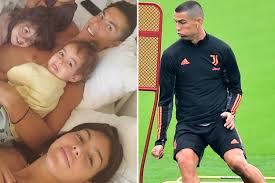
Cristiano Ronaldo’s extraordinary career has been defined not just by goals and trophies, but by his ability to stay at the top of world football for nearly two decades. While fans often focus on his shooting, speed, or training intensity, an often-overlooked element behind his success is his sleep and recovery routine.
In modern sports, recovery is just as important as training. Muscles grow during rest, energy is restored during sleep, and the body repairs itself after the physical stress of games and practice. Ronaldo’s understanding of this principle has helped him maintain peak performance far longer than most of his peers.
To understand Ronaldo’s excellence, we must first explore his approach to sleep and recovery—and why it matters so much in elite football.
Why Sleep Is Vital for Elite Athletes
Sleep is a cornerstone of athletic performance. During deep sleep cycles, the body releases growth hormones that repair muscles, consolidate memory, and restore energy. For athletes who train multiple hours per day, these processes are non-negotiable.
Studies show that insufficient sleep reduces reaction times, increases injury risks, and impairs decision-making—all critical in football. Conversely, athletes who prioritize rest enjoy better recovery, sharper focus, and sustained performance over long seasons.
Ronaldo embraces this science. He knows that proper rest is not optional; it is essential to competing at the highest level. This general principle lays the foundation for his personalized recovery strategies.
Ronaldo’s Philosophy on Rest and Recovery
Ronaldo has often spoken about how seriously he takes recovery. For him, training is only half of the process—rest is the other half. He views his body as a machine that must be recharged daily.
Reports from his coaching staff and interviews reveal that Ronaldo incorporates unconventional strategies into his sleep routine. Unlike most people who rely solely on one long night’s sleep, he uses structured cycles and short naps to maximize recovery.
This philosophy reflects his broader discipline: just as he carefully manages diet and training, he treats rest with the same rigor.
Structured Sleep Cycles and Naps
One of the unique aspects of Ronaldo’s recovery is his reliance on multiple short sleep cycles. Sleep experts have confirmed that he often takes five shorter naps of 90 minutes each, spread across the day, rather than one continuous 7–8 hour block at night.
This segmented approach ensures he gets enough deep sleep stages while avoiding long stretches of wakefulness without recovery. It also allows him to align rest periods with training sessions and matches.
These structured cycles directly connect with his physical readiness. By prioritizing naps and rest, Ronaldo keeps his body fresh for repeated bursts of high performance. His approach also links seamlessly with other recovery strategies, like nutrition and hydration.
Daily Recovery Practices Beyond Sleep
Sleep may be the foundation, but Ronaldo’s recovery routine goes further. He integrates advanced methods to ensure his body remains injury-free and ready for competition.
Some of his factual recovery practices include:
- Cryotherapy – Exposing the body to extreme cold to reduce inflammation and accelerate muscle healing.
- Ice baths – Used after matches to ease soreness and minimize swelling.
- Physiotherapy sessions – Regular massages and targeted treatment to keep muscles flexible and strong.
- Stretching and yoga-based routines – Improving flexibility, balance, and mental relaxation.
These practices are part of his daily schedule, showing that recovery is as structured as training itself. Together, they integrate seamlessly with his fitness regime, reinforcing his reputation for professionalism.
The Role of Nutrition in Supporting Recovery
Diet is another crucial element of Ronaldo’s recovery. Food and hydration reinforce the body’s ability to rest effectively.
Ronaldo consumes lean proteins, such as fish and chicken, to repair muscles. Complex carbohydrates like brown rice and whole grains restore energy stores, while fruits and vegetables supply antioxidants that reduce inflammation. Hydration is constant, with Ronaldo avoiding sugary drinks in favor of water.
This semantic closeness between diet and rest outcomes shows how nutrition directly affects sleep quality. A balanced diet not only fuels his body but also ensures deeper, more restorative rest cycles—ultimately lowering the risk of injury and fatigue.
Mental Relaxation and Stress Management
Recovery is not only physical; it is also psychological. Ronaldo’s coach and medical team have emphasized the importance of mental relaxation in his schedule.
Techniques such as mindfulness, meditation, and controlled breathing exercises are part of his mental toolkit. These practices reduce stress, promote relaxation, and prepare the mind for restful sleep.
Comparing physical and mental recovery reveals their shared importance. Muscles need therapy, but the mind also requires calm. Ronaldo’s ability to manage pressure and expectations is directly tied to his holistic approach to recovery.
Longevity in Football Through Sleep Discipline
Cristiano Ronaldo’s career longevity is living proof of the power of disciplined recovery. At an age when most footballers retire or transition into less demanding roles, he continues to compete at the highest level.
The statistics are extraordinary: Ronaldo has played over 1,100 professional matches and scored more than 800 goals, with many coming after the age of 30. Few forwards in football history have sustained this level of performance into their late 30s.
This success is not just about genetics or luck. It is about disciplined habits—especially his focus on sleep and recovery—that keep his body prepared for elite competition.
What Fans Can Learn From Ronaldo’s Recovery Habits
Ronaldo’s approach to recovery offers valuable lessons for fans and aspiring athletes alike. While not everyone can afford cryotherapy chambers or professional physiotherapists, his principles can still be applied in everyday life.
Key takeaways include:
- Prioritize regular sleep and rest cycles.
- Use short naps strategically to recharge energy.
- Balance nutrition and hydration with physical activity.
- Incorporate stretching, light exercise, and relaxation routines daily.
- Manage stress to improve both physical and mental recovery.
These lessons connect professional athletic habits with general health and lifestyle improvements, showing how recovery is universal.
Exploring Football Insights and Interactive Platforms
For readers who want more football stories and sports services, ยูฟา168 provides access to updates and entertainment. Those eager to deepen their knowledge can check UFABET เว็บหลัก, a guide to betting insights and football engagement.
These platforms allow fans to stay connected to the game, blending Ronaldo-inspired lessons with interactive opportunities in football culture.
Conclusion – Rest, Recovery, and Ronaldo’s Greatness
Cristiano Ronaldo’s sleep and recovery routines are the hidden keys to his longevity. Structured naps, disciplined rest, complementary recovery methods, nutrition, and mental relaxation all form part of a system designed to keep him at peak performance.
By applying science and discipline to rest, Ronaldo has extended his career far beyond the norm, continuing to inspire fans worldwide. His example shows that greatness is not just built on training or talent—it is sustained by recovery.
For fans, the message is clear: adopt better rest habits, manage stress, and respect the importance of recovery. Following Ronaldo’s methods can improve not only athletic performance but overall health and lifestyle.
Keep watching his journey, because Ronaldo’s discipline in rest and recovery is as much a part of his legacy as the goals he scores on the pitch.